
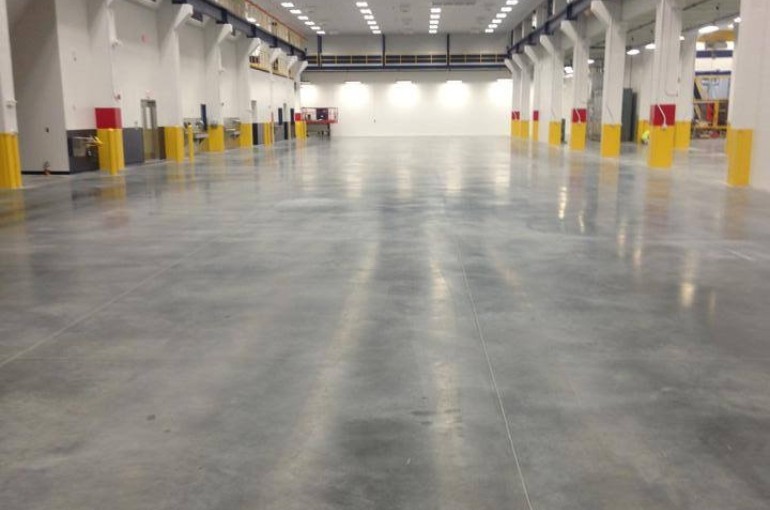
Flooring decisions are often made early in a project, sometimes before the building is even occupied. For facility managers, those decisions can have long lasting consequences. What looks good on day one can become a maintenance headache within a few years if the wrong material is chosen. After years of managing repairs, downtime, and cleaning budgets, many facility managers share the same realization: they wish they had known more before committing to a flooring system.
Here are the most common lessons learned, along with how smarter flooring choices can prevent them.
Upfront Cost Is Only Part of the Equation
One of the biggest mistakes facility managers report is focusing too heavily on initial installation cost. Vinyl, carpet tile, and coated systems often appear affordable at the start, but their long-term costs quickly add up. Strip-and-recoat cycles, replacement sections, deep cleaning, and repairs eat into budgets year after year.
Facility managers often wish they had evaluated total lifecycle cost instead. Floors like polished concrete may cost more upfront, but they require minimal ongoing maintenance and last decades, not years. Over time, they often outperform cheaper options financially.
Downtime Matters More Than Expected
Floor repairs cost more than just money. They disrupt operations. Closing aisles, blocking equipment paths, or shutting down entire areas impacts productivity and revenue. Many managers discover too late that their flooring choice requires frequent maintenance shutdowns.
Low-maintenance systems reduce this risk. Flooring that does not need waxing, recoating, or frequent patching keeps operations running smoothly and avoids unplanned downtime.
Maintenance Requirements Add Up Fast
Another common regret is underestimating daily maintenance demands. Floors with grout lines, seams, or coatings trap dirt and moisture. They require aggressive cleaning, specialized chemicals, and more labor hours.
Facility managers often wish they had chosen flooring with seamless surfaces that simplify cleaning. Polished concrete, for example, only requires routine dust mopping and occasional damp cleaning with neutral products. Less labor means lower costs and a more consistent appearance.
Durability Must Match Real World Use
Many flooring systems perform well in theory but struggle under real conditions. Heavy equipment, such as forklifts, carts, rolling loads, foot traffic, and spills, exposes weaknesses quickly. Chipping coatings, peeling vinyl, and cracked tiles are common complaints.
Managers consistently report that floors designed to work with the concrete slab, rather than sit on top of it, perform better long-term. Mechanically polished and densified surfaces handle traffic without surface failure.
Early Planning Prevents Long-Term Problems
One of the biggest takeaways from experienced facility managers is the value of early involvement. Flooring decisions made without considering slab condition, moisture levels, joint layout, and use patterns often lead to problems later.
Bringing flooring professionals into the planning stage helps avoid these issues. Moisture testing, surface preparation planning, and realistic use evaluations make a major difference in performance.
The Bottom Line
Facility managers wish they had known that flooring is not just a finish. It is an operational system that affects safety, maintenance budgets, productivity, and long-term costs. The right flooring choice reduces headaches, not creates them.
At Custom Concrete Creations Omaha, we help facility managers choose flooring systems that perform under real conditions and stand the test of time. If you are planning a new project or reevaluating an existing space, we can help you make a smarter decision from the ground up.