
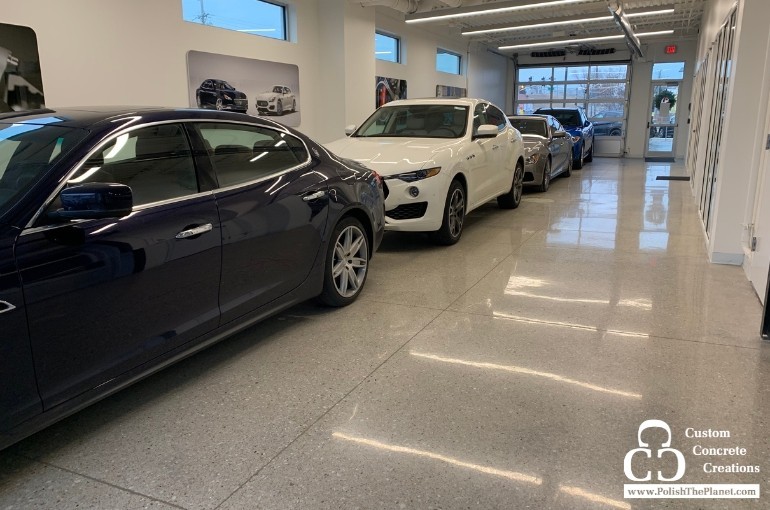
Garage Floor Coatings Company: How to Choose the Right Commercial Flooring Partner

A qualified garage floor coatings company evaluates the concrete slab, recommends a compatible resinous flooring system, performs mechanical surface preparation, repairs appropriate defects, and installs protective layers suited to the facility’s traffic, chemicals, safety needs, and operating schedule. The best commercial flooring partner provides a complete written specification rather than simply applying a generic coating.
Key Takeaways
| Point | Details |
|---|---|
| Commercial specialization matters | Choose a contractor with experience in service bays, fleet facilities, warehouses, utility areas, and other demanding commercial or industrial environments. |
| Preparation controls performance | Mechanical profiling, crack treatment, cleaning, contamination removal, and moisture evaluation are essential to coating adhesion and service life. |
| The system must fit the use | Epoxy, polyurea, polyaspartic, and decorative flake systems have different working times, chemical resistance, UV stability, and finish characteristics. |
| Finish quality is measurable | Uniform broadcast coverage, clean edges, consistent gloss, controlled texture, and high distinctness of image indicate disciplined installation. |
| Value is more than initial price | A properly specified floor can reduce maintenance, premature repairs, shutdowns, and replacement costs. |
Table of Contents
What a Garage Floor Coatings Company Does
A qualified garage floor coatings company does more than apply a colored product over concrete. It evaluates the slab, identifies the facility’s traffic and exposure conditions, recommends a compatible system, prepares the surface mechanically, and installs each layer under controlled conditions. This process is especially important for industrial floor coatings, where adhesion, impact resistance, chemical exposure, and downtime can directly affect operations.
Custom Concrete Creations provides commercial and industrial concrete flooring in the Omaha area. Our work is intended for facilities such as fleet garages, automotive service areas, loading support spaces, maintenance shops, equipment storage buildings, and other operational environments rather than private residential garages. Facility managers can review our broader commercial concrete flooring services when comparing available floor treatments.
 Recommended Reading What a Garage Floor Coatings Company Does " />
Professional scope may include garage floor resurfacing, crack and joint evaluation, epoxy floor installation, polyaspartic flake systems, protective topcoats, decorative finishes, and maintenance planning. A capable concrete floor coating contractor should also explain how drains, control joints, wall transitions, equipment pads, and door thresholds will be treated. Facility teams considering alternatives can review Polished Concrete and Epoxy to compare coated floors with mechanically refined concrete.
Expert callout: A coating is only as reliable as the concrete profile beneath it. Product quality cannot compensate for weak concrete, contamination, trapped moisture, or inadequate mechanical preparation.
Comparing Commercial Garage Coating Systems
There is no single coating that is automatically best for every garage or service facility. A garage floor epoxy company should determine what the floor will encounter, including vehicle traffic, hot tires, oils, fuels, cleaners, road salts, dropped tools, sunlight, temperature changes, standing water, and required return-to-service time. Those conditions determine whether the project needs a decorative finish, a high-build coating, or more specialized chemical-resistant flooring.
Epoxy is commonly used as a build coat because it can provide strong adhesion, thickness, chemical resistance, and a uniform base. Polyaspartic materials are often selected for faster curing, abrasion-resistant topcoats, and improved color stability, while a polyurea garage floor coating may be appropriate when rapid cure and flexibility are important to the specified assembly. These products are commonly combined into multilayer resinous flooring systems rather than treated as interchangeable one-coat solutions.
| Flooring System | Typical Strengths | Important Considerations | Common Commercial Uses |
|---|---|---|---|
| Epoxy coating | High build, strong adhesion, chemical resistance, broad design options | Longer cure times; some formulations can discolor with UV exposure | Service bays, workshops, storage areas, utility rooms |
| Epoxy and polyaspartic flake system | Decorative coverage, texture, durability, and a cleanable finish | Broadcast consistency and topcoat thickness affect appearance and performance | Fleet facilities, automotive spaces, commercial garages |
| Polyurea or polyaspartic system | Rapid return to service, abrasion resistance, and good finish retention | Short working time requires an experienced installation crew | Time-sensitive renovations and active facilities |
| Polished concrete | Refined appearance, reflectivity, low routine maintenance, and no topical coating film | Not the same as epoxy or flake flooring; suitability depends on slab condition and exposure | Warehouses, retail areas, showrooms, and selected back-of-house spaces |
| Dyed and sealed concrete | Color, warmth, visual texture, and design impact | Sealer selection and maintenance must match traffic and chemical exposure | Commercial interiors, customer-facing areas, and decorative spaces |
Pro Tip: Ask for the complete system specification, not only the name of the topcoat. The primer, build coat, broadcast media, topcoat, film thickness, and concrete preparation method work together as one flooring assembly.
For facilities balancing appearance with operational durability, guidance on contrast in commercial flooring and options such as dyed and sealed concrete provide additional design possibilities. Dyed and sealed concrete can bring color and character to a space while supporting warmth, visual texture, commercial durability, and design impact. However, decorative priorities must still be coordinated with traffic, maintenance, and chemical exposure.
How Professional Garage Floor Coatings Are Installed
Professional garage floor coatings begin with slab assessment. Installers should look for curing compounds, oil contamination, previous coatings, cracks, spalling, moisture-related symptoms, weak surface paste, and transitions that could interfere with adhesion or drainage. Existing floor coverings and failed coatings may also require professional flooring removal and surface preparation before the new system can be installed.
Mechanical grinding or shot blasting is generally used to create the required concrete surface profile. The International Concrete Repair Institute publishes industry guidance on concrete surface preparation and repair, while the Occupational Safety and Health Administration provides requirements related to safe walking-working surfaces.

Typical Installation Sequence
- Inspect the concrete and document existing conditions.
- Confirm traffic, chemical, texture, color, and scheduling requirements.
- Evaluate moisture risk and determine whether testing or mitigation is needed.
- Mechanically profile the slab and remove dust, laitance, and contaminants.
- Repair appropriate cracks, spalls, and damaged areas.
- Detail drains, edges, doorways, penetrations, and control joints.
- Apply the specified primer or base coat at the required coverage rate.
- Broadcast decorative flake or aggregate when included in the system.
- Scrape, vacuum, and refine the broadcast layer before topcoating.
- Apply the protective topcoat and allow the floor to cure before service.
Temperature, slab temperature, humidity, ventilation, and dew point can influence application and curing. Product data sheets must control mixing ratios, induction times, recoat windows, spread rates, and return-to-service requirements. Volatile organic compound considerations are explained by the U.S. Environmental Protection Agency.
Cracks and joints should not be treated as identical conditions. Some dormant cracks may be repaired and coated, while active joints often require a detail that accommodates movement. Where joint protection is part of the scope, purpose-designed joint sealants may help protect joint edges and limit the collection of debris. The contractor should identify which defects will be repaired, which joints will remain visible, and what movement-related limitations apply.
How to Evaluate a Garage Floor Coatings Company
Start by confirming that the company regularly performs the type and scale of work your facility requires. Residential garage experience alone does not establish the planning, documentation, manpower, equipment, safety coordination, or schedule control needed for an active commercial or industrial site.
Request a written scope that identifies preparation, repairs, coating layers, approximate thickness, texture, finish, cure time, exclusions, and maintenance expectations. Reliable concrete floor coating services should also explain why the proposed system fits the slab and operating conditions rather than relying on a one-product recommendation. Ask whether the contractor can provide relevant commercial flooring project examples that show comparable environments and finishes.
Contractor Evaluation Checklist
- Commercial or industrial project experience relevant to your facility
- Mechanical surface preparation equipment and dust-control procedures
- Clear moisture-assessment and contamination protocols
- Product-specific installation knowledge
- Defined crack, joint, edge, drain, and transition details
- Realistic cure times and operational shutdown planning
- Representative project photographs and physical finish samples
- Written cleaning and maintenance recommendations
- Transparent pricing based on scope rather than an unsupported square-foot promise
- Clear communication about warranties, exclusions, and owner responsibilities
Price should be compared against equal scopes. A low bid may omit grinding, repairs, sufficient material thickness, a full flake broadcast, or a durable topcoat, while a well-developed proposal makes those details visible. Custom Concrete Creations focuses on practical recommendations, competitive project-specific pricing, and finish quality appropriate for commercial performance.
A consultation can help facility owners, contractors, and managers compare coated systems with the benefits discussed in Why Polished Concrete Is Becoming The Go To Flooring Choice For Modern Commercial Spaces before committing to a system. The recommendation should account for slab condition, downtime, appearance, safety requirements, cleaning practices, expected service life, and the costs associated with future repairs or replacement.
Performance, Appearance, and Long-Term Value
A commercial garage floor must withstand more than foot traffic. Tire loads, turning movements, impact, road grit, deicing chemicals, oils, cleaners, and repeated washing can expose weaknesses in preparation, film thickness, edge detailing, and topcoat selection. Facilities where water, oil, or debris may reach the floor should also discuss whether a controlled aggregate is needed to create more slip-resistant flooring.
Finish quality matters as well. Consistent color, even flake distribution, clean terminations, uniform sheen, controlled slip texture, and smooth transitions create a floor that looks intentional and is easier to manage. On glossy surfaces, distinctness of image, or DOI, describes the clarity of reflected images and helps distinguish a crisp finish from one that appears hazy or distorted.

High reflectivity and high DOI are related but not identical: a surface may reflect considerable light without producing a sharp reflected image. These visual characteristics are especially noticeable on refined polished concrete and smooth high-gloss coatings, although the two remain technically different flooring systems. Learn more about Polished Concrete when evaluating a finish for customer-facing or design-sensitive spaces.
Questions That Affect Long-Term Value
- Will the floor be exposed to sunlight or open overhead doors?
- Which chemicals, oils, fuels, salts, or cleaners may contact it?
- How much texture is required for the environment?
- Can the facility accommodate the preparation and cure schedule?
- How will the floor be swept, scrubbed, and maintained?
- Are future repairs expected to blend visually with the original installation?
- Will forklifts, lifts, steel wheels, or heavy equipment cross the floor?
- Are floor drains, slopes, or areas of standing water present?
Texture should be selected carefully because additional traction can also increase cleaning effort. The National Institute for Occupational Safety and Health offers workplace safety resources, but project-specific floor requirements should be coordinated with the facility’s safety team, applicable codes, and operating procedures. No coating should be described as universally slip-proof because traction changes with contaminants, footwear, cleaning practices, and surface wear.
Maintenance is another part of system performance. Routine dry soil removal limits abrasion from tracked-in grit, while prompt spill cleanup can reduce staining and chemical exposure. Cleaning products should be compatible with the installed topcoat, and abrasive pads or aggressive chemicals should not be used unless approved by the coating manufacturer or installer.
Transform your concrete with a professional finish. Schedule an Omaha-area commercial or industrial consultation to request a custom flooring recommendation and project-specific quote based on your slab, operations, finish goals, and required timeline.
Choosing a System with Confidence
The right garage flooring partner should be able to explain the slab, preparation method, product sequence, finish expectations, maintenance needs, and service limitations in direct terms. That technical clarity is more valuable than a generic promise that one coating works everywhere.
Custom Concrete Creations installs commercial and industrial concrete flooring systems in the Omaha area with an emphasis on preparation, craftsmanship, durability, design impact, and consistent finish quality. A carefully specified and professionally installed floor can improve the appearance of the facility while delivering dependable performance and better maintenance value over time.
Frequently Asked Questions
What should I look for in a commercial garage floor coatings company?
Look for relevant commercial experience, mechanical preparation capabilities, a written system specification, moisture-assessment procedures, and clear cure-time requirements. The company should explain how every layer supports the facility’s traffic, chemical exposure, appearance, safety, and maintenance needs.
Is epoxy or polyurea better for a commercial garage floor?
Neither material is universally better. Epoxy is often useful as a high-build base coat, while polyurea or polyaspartic products may provide faster curing, abrasion resistance, and better UV stability when used in a properly designed system. Slab conditions and operational requirements should determine the final specification.
How long does a professional garage floor coating take to install?
Installation time depends on floor size, slab repairs, preparation requirements, coating chemistry, temperature, and the number of layers. Fast-curing systems may reduce downtime, but the floor should not return to foot, vehicle, or equipment traffic until the manufacturer’s cure requirements are satisfied.
Can a damaged garage floor be coated without resurfacing?
Minor defects may be repaired during preparation, but weak, contaminated, spalled, or moisture-affected concrete may require more extensive garage floor resurfacing or remediation. A site assessment is necessary before selecting the repair and coating process.
How long should a commercial garage floor coating last?
Service life varies with concrete condition, preparation quality, coating thickness, traffic, chemical exposure, cleaning practices, and maintenance. A properly specified system installed over sound, well-prepared concrete generally provides better long-term value than a thin coating applied with minimal preparation.
Does Custom Concrete Creations coat residential garage floors?
No. Custom Concrete Creations focuses on commercial and industrial concrete flooring projects in the Omaha area, including fleet facilities, service areas, maintenance spaces, warehouses, and other operational environments.
Recommended Reading
- Epoxy Flooring Projects
- Garage Floor Coating Omaha NE
- Commercial Epoxy Floor Coating Omaha
- Concrete Floor Polishing Omaha
Transform your concrete with a professional finish