
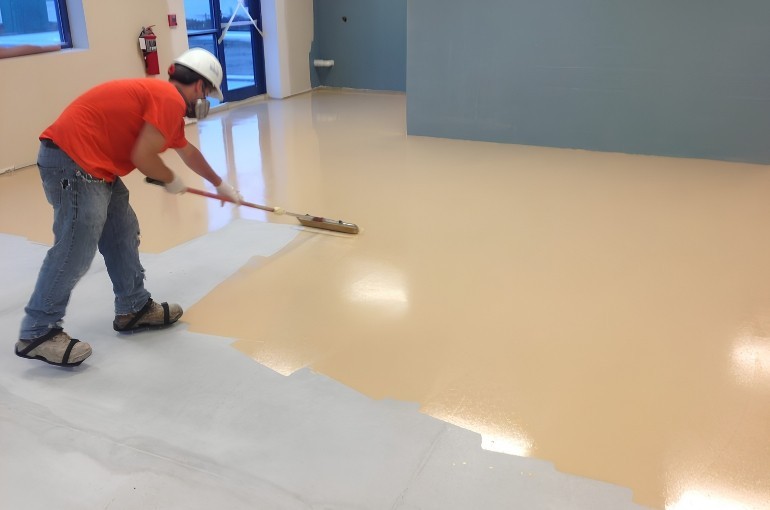
Best Concrete Floor Coating Omaha: How to Choose a Floor That Performs

The best concrete floor coating Omaha businesses can choose is not a one-size-fits-all product. It depends on the slab condition, traffic load, chemical exposure, desired finish, maintenance expectations, and how well the system is installed.
Concrete floor coating is vital because the floor is the working surface of a facility. When the system is selected and installed correctly, it protects the slab, improves cleanability, enhances light reflectivity, and gives the space a finished, professional appearance.
| Point | Details |
|---|---|
| Best system depends on use | Epoxy, polyaspartic, urethane, dyed/sealed concrete, and polished concrete each serve different traffic, design, and maintenance needs. |
| Surface preparation is critical | Grinding, profiling, moisture evaluation, crack repair, and contamination removal are often what determine long-term performance. |
| Commercial durability matters | Warehouses, retail spaces, production areas, and public-facing facilities need coatings that resist wear, impact, chemicals, and cleaning cycles. |
| Finish quality affects value | Gloss, reflectivity, distinctness of image, flake distribution, color consistency, and edge detailing separate professional work from basic coating jobs. |
| Maintenance should be planned | The right system reduces long-term cleaning costs, but every floor still needs proper maintenance to preserve appearance and performance. |
Table of Contents
Why Concrete Floor Coating Matters in Omaha Facilities
A bare concrete slab is durable, but it is also porous, absorbent, and vulnerable to dusting, staining, abrasion, moisture movement, and chemical exposure. In a commercial or industrial setting, those weaknesses can create maintenance issues, safety concerns, and a space that looks unfinished even when the structure is sound.
A properly specified concrete floor coating Omaha facility managers can rely on should do more than add color. It should protect the substrate, support daily operations, and match the way the building is used. For deeper education on finish options, Custom Concrete’s resources on Concrete Floor Polishing Omaha and Polished Concrete are useful starting points.

Omaha facilities also deal with seasonal temperature swings, tracked-in snow, deicing salts, wet shoes, forklifts, carts, pallets, and cleaning equipment. A coating or floor finish that works in a light-use office may not be the correct choice for a grocery store, production floor, service bay, school corridor, or back-of-house retail space.
Expert callout: The coating itself is only part of the floor system. Slab profiling, moisture awareness, crack treatment, joint detailing, product selection, film thickness, cure schedule, and maintenance planning all influence how long the finished floor performs.
Organizations such as the American Concrete Institute and the International Concrete Repair Institute provide industry guidance that reinforces the same principle: successful concrete work begins with understanding the substrate and preparing it correctly.
Best Concrete Floor Coating Omaha Options by Use Case
The phrase best concrete floor coating Omaha usually points to a practical question: what system will last in this specific space? For commercial and industrial floors, the answer may be epoxy, polyaspartic, urethane, polished concrete, dyed/sealed concrete, or a hybrid system.
Garage floor epoxy Omaha and basement floor coating Omaha are common search terms because many people first learn about coatings through residential examples. Custom Concrete Creations focuses on commercial and industrial work, but the same fundamentals apply: substrate preparation, moisture conditions, chemical exposure, and finish expectations matter more than product labels.
Epoxy and Polyaspartic Flake Floors
Epoxy and polyaspartic flake systems are popular where owners want a decorative, durable, easier-to-clean surface. These systems are often used in commercial restrooms, corridors, retail support spaces, veterinary clinics, locker rooms, service areas, and facilities that need a finished look with practical wear resistance.
A polyurea floor coating Omaha or polyaspartic-style system can offer fast cure times, UV stability depending on chemistry, and strong abrasion resistance. Epoxy systems can provide excellent build, adhesion, and chemical resistance when specified correctly. The best results often come from matching primers, body coats, broadcasts, and topcoats to the facility’s actual use.
Polished Concrete and Dyed/Sealed Concrete
Polished concrete is not the same as a coating. It is a mechanically refined concrete surface that can deliver strong reflectivity, high distinctness of image, and long-term maintenance value in the right environment. Learn more through Polished Concrete.
Dyed and sealed concrete is another distinct system. It brings color and character to the slab while using a protective sealer system rather than the multi-step refinement of true polished concrete. For public-facing spaces, this can create strong design impact without calling the system something it is not.
Pro Tip: Do not choose a floor based only on a sample board. A sample shows color and texture, but the existing slab determines how the finished system will look, bond, reflect light, and age under traffic.
Why Professional Installation Determines Floor Performance
Most coating failures begin before the coating is applied. Poor surface preparation, hidden contamination, excessive moisture vapor, inadequate mechanical profile, weak concrete, and rushed cure times can all cause peeling, bubbling, delamination, or premature wear.
Professional installation starts with evaluating the slab. That can include checking for oil, curing compounds, old adhesives, laitance, cracks, control joints, spalling, moisture-related concerns, and prior coatings. For safety during concrete grinding and preparation, contractors also need to manage respirable crystalline silica exposure according to guidance from OSHA.

Mechanical grinding or shot blasting creates the profile needed for many resinous systems to bond properly. Edge work, corners, drains, doorways, transitions, and vertical surfaces also need attention. These details may not be obvious in a quick photo, but they are often what separate a professional floor from a short-lived coating.
- Surface profile: The concrete must be opened enough for the coating system to mechanically bond.
- Moisture evaluation: Moisture-related pressure can compromise some coatings if not addressed.
- Crack and joint detailing: Repairs should match the movement and function of the slab.
- Correct product sequence: Primer, body coat, broadcast, grout coat, and topcoat must work as a system.
- Cure discipline: Floors need proper cure time before traffic, cleaning, and full service exposure.
For commercial owners comparing commercial concrete coatings Omaha options, installation quality should be evaluated as seriously as product chemistry. A well-installed mid-grade system often outperforms a premium product installed over a poorly prepared slab.
Concrete Coating System Comparison
There is no universal best floor. The right system is the one that supports the building’s traffic, cleaning procedures, safety needs, visual goals, and budget over time. The comparison below gives a practical overview for Omaha-area commercial and industrial spaces.
| Floor System | Best Fit | Strengths | Important Considerations |
|---|---|---|---|
| Epoxy coating | Commercial interiors, utility spaces, production support areas | Good build, strong adhesion, chemical resistance, customizable finish | May need UV-stable topcoat; cure time and slab prep are critical |
| Polyaspartic or polyurea coating | Fast-turn spaces, flake floors, areas needing abrasion resistance | Fast return to service, decorative flake options, durable topcoat performance | Requires experienced installation because working time can be short |
| Polished concrete | Retail, grocery, office, showroom, warehouse, public-facing facilities | High reflectivity, strong DOI, low maintenance, no topical coating film | Existing slab condition affects final appearance |
| Dyed and sealed concrete | Decorative commercial interiors, branded spaces, hospitality-adjacent areas | Color, character, design flexibility, protective sealed finish | Sealer maintenance schedule should be planned |
| Urethane topcoat system | High-wear commercial environments, chemical or cleaning exposure areas | Abrasion resistance, chemical resistance, satin or gloss options | Often used as part of a larger resinous system, not always standalone |
Industry standards from organizations such as ASTM International help define testing, material performance, and evaluation methods used across construction materials. While owners do not need to know every standard, they should expect their flooring contractor to understand product limitations and performance requirements.
If the project calls for a high-gloss, high-clarity floor, polished concrete may be the right discussion. If the space needs chemical resistance, texture, color, or a seamless flake look, a resinous system may be more appropriate. Custom Concrete’s pages on Epoxy and Polished Concrete Floors For Commercial Spaces Built To Perform Designed To Last can help clarify the differences.
Maintenance, Reflectivity, and Long-Term Value
The best floor is not just the one that looks good on installation day. It is the floor that keeps performing after months and years of foot traffic, forklifts, floor scrubbers, spills, seasonal debris, and daily cleaning. Maintenance planning should be part of the specification, not an afterthought.
Reflectivity and distinctness of image matter in commercial spaces because floors influence lighting, appearance, and customer perception. A high-DOI polished surface can make a retail or grocery environment feel brighter and cleaner, while a well-installed flake or sealed system can bring texture, color, and visual consistency to high-use areas.
Maintenance value also depends on matching the cleaning process to the floor. Harsh chemicals, dirty mop water, abrasive pads, and neglected grit can dull or damage many surfaces. The U.S. Environmental Protection Agency provides broad indoor air quality resources, and facility teams should consider how floor cleaning products, moisture control, and maintenance routines affect the occupied environment.

- Use walk-off mats at entries to reduce grit and salt intrusion.
- Clean spills quickly, especially oils, acids, solvents, and staining materials.
- Follow the recommended cure window before heavy traffic or aggressive cleaning.
- Use neutral cleaners unless the floor system manufacturer recommends otherwise.
- Schedule periodic inspections to address scratches, worn traffic lanes, or sealer wear.
For Omaha-area facilities evaluating polished concrete, epoxy/polyaspartic floors, decorative finishes, or durable commercial concrete systems, the most efficient next step is a site-specific recommendation. A short consultation can clarify the right system, expected finish, schedule, and maintenance approach before money is spent on the wrong floor.
Transform your concrete with a professional finish: contact Custom Concrete Creations for an Omaha concrete flooring consultation
Frequently Asked Questions
What is the best concrete floor coating for Omaha commercial buildings?
The best coating depends on traffic, chemicals, moisture, cleaning methods, and finish expectations. Epoxy, polyaspartic, urethane, polished concrete, and dyed/sealed systems can all be correct when matched to the facility and installed properly.
Is epoxy or polyaspartic better for a commercial concrete floor?
Epoxy is often valued for build, adhesion, and chemical resistance, while polyaspartic systems are often chosen for fast cure, abrasion resistance, and decorative flake floors. Many high-performing floors use these materials together as part of a complete system.
Why do concrete floor coatings fail?
Most failures come from poor surface preparation, moisture issues, contamination, weak concrete, or applying the wrong system for the environment. Professional grinding, profiling, repair, and product selection are essential for long-term performance.
Can a basement floor coating Omaha search apply to commercial lower-level spaces?
Yes, the same technical concerns often apply: moisture, slab condition, ventilation, and intended use. For commercial lower-level spaces, moisture evaluation and system selection are especially important before installing a coating.
How long does a commercial concrete coating last?
A professionally installed commercial concrete coating can last for years when the correct system is used and maintained properly. Lifespan depends on traffic intensity, chemical exposure, cleaning methods, substrate condition, and whether the floor was prepared and cured correctly.
Recommended Reading
- Epoxy Flooring
- Garage Floor Coating Omaha NE
- Epoxy Flake Flooring Omaha
- Concrete Floor Polishing Omaha
Conclusion
The best concrete floor coating Omaha facilities can invest in is the one designed around the actual slab, use case, appearance goal, and maintenance plan. Product chemistry matters, but installation quality matters just as much.
For commercial and industrial spaces, a professionally installed floor can improve durability, cleanability, reflectivity, safety, and design impact. Whether the right answer is epoxy, polyaspartic, polished concrete, dyed/sealed concrete, or another durable flooring system, the work should be specified and installed with craftsmanship from the surface prep through the final finish.
Transform your concrete with a professional finish