
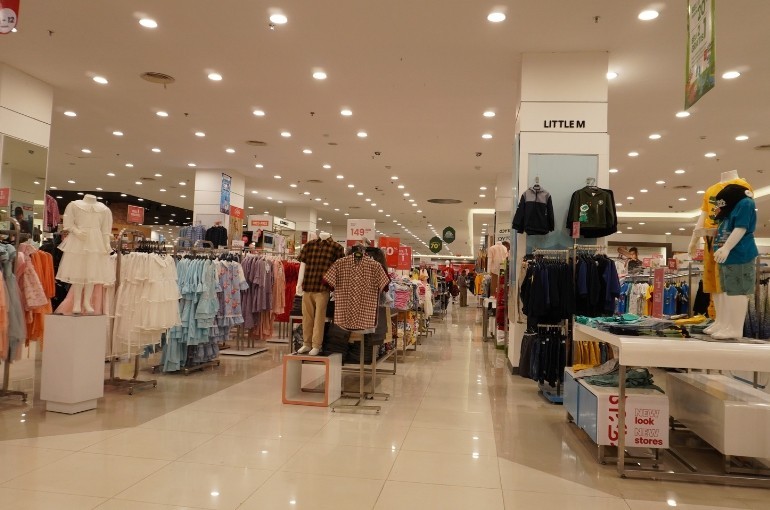
Retail Polished Concrete Floors Omaha: Durable, Clean, High-Impact Flooring for Public Retail Spaces

Retail polished concrete floors Omaha are a durable, seamless flooring option for stores that need a clean, professional surface built for carts, customer traffic, rolling displays, cleaning equipment, and bright public-facing spaces. For Omaha retailers, polished concrete can improve long-term appearance, reduce maintenance demands, and support high-traffic storefront floors when the slab is properly evaluated, refined, densified, protected, and maintained.
Well-installed polished concrete supports the way a retail space operates. It helps create a clean, bright, durable environment while reducing maintenance headaches compared with many topical coatings, vinyl products, or floor coverings that can wear, peel, or trap soil at seams. It is also a strong fit for low-maintenance retail flooring, showroom concrete flooring, grocery store polished concrete, and other seamless commercial floors where appearance and performance both matter.

| Point | Details |
|---|---|
| Retail floors take abuse | Customer traffic, shopping carts, rolling displays, pallet jacks, and frequent cleaning all place stress on the surface. |
| Polished concrete improves durability | A properly processed slab can deliver long-term abrasion resistance and a dense, serviceable surface for public spaces. |
| Finish quality affects perception | Reflectivity, distinctness of image, edge detailing, and uniformity influence how clean and professional the store feels. |
| Maintenance matters | Polished concrete performs best with neutral cleaners, proper pads, dust control, and a consistent maintenance plan. |
| Installation should match use | Retail concrete floor polishing Omaha NE should be specified around traffic level, aggregate exposure, sheen, stain risk, and schedule constraints. |
Table of Contents
Why Retail Floors Need a Better System
Retail floors are public-facing working surfaces. They need to look clean under bright lighting, resist wear patterns at entries and checkout lanes, and support safe movement for customers, employees, carts, and equipment. A floor that stains easily, scratches quickly, or becomes difficult to clean can affect the entire impression of the business.
High-traffic retail environments also create concentrated wear zones. Entry areas bring in grit, snow melt, water, and deicing contaminants during Omaha winters. Checkout lanes, endcaps, service counters, grocery aisles, and storefront entrances see repeated foot and wheel traffic in the same paths every day.
That is why polished concrete floors for retail stores in Omaha should be treated as a performance system, not just a design choice. The right process can improve surface density, cleanability, light reflectance, slip-resistant polished concrete performance, and long-term appearance while keeping the floor aligned with the operational needs of the store.
Expert callout: In retail flooring, durability is only one part of performance. A successful polished concrete floor also needs consistent refinement, controlled sheen, clean edges, stain protection, and a maintenance plan that preserves reflectivity over time.
Safety and housekeeping also matter. OSHA provides guidance on walking-working surfaces and the importance of maintaining safe, orderly conditions in workplaces through its walking-working surfaces standards. For public retail spaces, floor selection should support traction, cleanability, and routine maintenance without creating unnecessary operational disruption.
What Polished Concrete Does for Retail Spaces
Polished concrete is created through a mechanical grinding, honing, and polishing process that refines the concrete surface. Depending on the specification, the floor may show minimal sand exposure, salt-and-pepper exposure, or larger aggregate. The final appearance is shaped by the slab condition, tooling sequence, densifier use, guard or stain protection, and the target sheen level.
For retail stores, the benefit is a dense, seamless, low-profile floor that can handle traffic without relying on a thick film coating. This makes commercial polished concrete Omaha projects especially valuable in spaces where owners want a clean architectural look and practical maintenance. Learn more about the broader system options through Polished Concrete.
Polished concrete can also improve the visual brightness of a space. Higher reflectivity and strong DOI, or distinctness of image, can make aisles, showrooms, and display areas feel cleaner and more open. For stores comparing gloss levels, design intent, and reflectivity, High Gloss Polished Concrete Floors explains how finish selection affects the final look. The polished concrete overview on Wikipedia provides a general explanation of the process, but in practice, the final result depends heavily on contractor skill and equipment control.
| Retail Flooring Priority | How Polished Concrete Helps | Specification Consideration |
|---|---|---|
| High traffic durability | Creates a dense, abrasion-resistant concrete surface for foot and wheel traffic. | Use appropriate tooling, densification, and protection for expected traffic. |
| Clean appearance | Seamless surface reduces places where dirt can collect. | Specify sheen, edge quality, and stain protection based on store use. |
| Design impact | Supports modern retail, grocery, showroom, and boutique aesthetics. | Choose aggregate exposure, dye options, or decorative treatments carefully. |
| Maintenance value | Can reduce stripping, waxing, and frequent replacement cycles. | Use the right cleaning equipment, pads, and neutral cleaners. |
| Lighting performance | Reflective floors can improve perceived brightness and visual clarity. | Balance gloss level with traction, cleaning practices, and brand appearance. |
Pro Tip: Do not choose a gloss level from a photo alone. Retail lighting, slab condition, aggregate exposure, and maintenance expectations all affect how the finished floor will look in daily use.
Specifying Retail Polished Concrete Floors Omaha for Store Performance
Retail polished concrete should be specified around real operating conditions. A grocery store has different needs than a boutique, auto parts store, fitness retail space, pharmacy, or furniture showroom. The more accurately the floor system is matched to traffic, cleaning, stain exposure, and schedule constraints, the better the long-term result.
Durable polished concrete flooring for shops Omaha projects often starts with a slab evaluation. Existing coatings, adhesives, cracks, soft concrete, contamination, patching, moisture conditions, and previous floor coverings can all affect the final result. In remodels, the concrete may need repair, joint work, adhesive removal, storefront floor refinishing, or mockups before the final polishing sequence is confirmed. If old flooring or adhesive must be removed first, Flooring Removal Surface Prep can be an important part of the project scope.
Owners and contractors should also distinguish polished concrete from other concrete flooring systems. Dyed and sealed concrete, epoxy floors, polyaspartic flake systems, and terrazzo-adjacent decorative finishes each have their own build, appearance, and performance profile. They can be excellent commercial flooring solutions, but they should not be described as polished concrete unless the surface is actually mechanically refined and polished.

Common Retail Polish Decisions
- Aggregate exposure: Cream, salt-and-pepper, or more exposed aggregate changes the visual texture and amount of grinding required.
- Sheen level: Satin, semi-gloss, or high-gloss finishes affect reflectivity, maintenance expectations, and design tone.
- Color: Dyes or stains can add brand character, but they should be evaluated for UV exposure, traffic, and maintenance compatibility.
- Stain protection: Retail floors may need additional protection in food, beverage, salon, entry, or service areas.
- Schedule: Night work, phased installation, and coordination with fixtures may be necessary in active stores.
For stores considering color, decorative concrete, or sealed finishes, it is important to compare the systems honestly. A dyed and sealed surface may deliver a specific look and protection profile, while polished concrete delivers a mechanically refined floor with its own maintenance requirements. For related options, review Why Polished Concrete Is Becoming The Go To Flooring Choice For Modern Commercial Spaces, Stained Concrete Floors, and Projects.
Cleaning, Protection, and Maintenance
A polished concrete floor is not maintenance-free. It is maintenance-efficient when the correct cleaning program is used. Dust, grit, salt, and abrasive soils can dull the surface over time if they are not removed consistently, especially at entries and high-traffic paths.
Retail teams should use walk-off mats where appropriate, dust mop frequently, and clean with neutral pH products approved for polished concrete. Harsh chemicals, acidic cleaners, aggressive degreasers, and improper pads can damage the finish or reduce clarity. The U.S. Environmental Protection Agency’s indoor air quality resources also reinforce the value of thoughtful cleaning practices in occupied buildings.
Maintenance should be planned before the store opens. If the facility team knows what pads to use, what cleaners to avoid, and how to respond to spills, the floor is more likely to keep its finish quality. This is especially important for retail concrete floor polishing Omaha NE projects where winter conditions, customer traffic, and frequent cleaning cycles all influence appearance.
| Maintenance Task | Recommended Approach | Why It Matters |
|---|---|---|
| Daily dust removal | Use microfiber dust mops or auto-scrubber dust control routines. | Removes abrasive grit before it scratches or dulls the surface. |
| Wet cleaning | Use neutral pH cleaners designed for polished concrete. | Protects the finish and avoids chemical damage. |
| Entry protection | Use appropriate mats and keep them clean and dry. | Reduces tracked-in water, salt, and soil. |
| Spill response | Clean spills quickly, especially oils, acids, dyes, and food products. | Helps prevent staining and surface etching. |
| Periodic burnishing | Use approved pads and equipment based on the floor specification. | Helps maintain clarity, sheen, and DOI in high-traffic spaces. |
Retail floors should also be evaluated periodically. Traffic lanes, entrances, food service zones, and checkout areas may need focused maintenance or re-guarding before the rest of the store. A practical maintenance plan protects the original investment and keeps the surface aligned with brand presentation.
Choosing Omaha Polished Concrete Contractors for Retail Spaces
Omaha polished concrete contractors for retail spaces should be evaluated on more than price per square foot. A retail floor is a finished architectural surface and a working platform. The contractor must understand slab assessment, tooling progression, edge work, densification, stain protection, cleanup, fixture coordination, and turnover expectations.
Ask how the contractor handles mockups, existing coating removal, crack treatment, joints, transitions, and high-traffic zones. Ask what equipment will be used near walls, displays, coolers, service counters, and entries. The difference between average and well-executed polished concrete often shows up in edges, consistency, reflectivity, and long-term cleanability. For more on the preparation work behind a successful finish, read The Most Important Part Of A Polished Concrete Floor Happens Before The Shine.
Industry groups such as the American Society of Concrete Contractors Concrete Polishing Council provide useful context on professional concrete polishing practices. For accessibility and public-use design considerations, the 2010 ADA Standards for Accessible Design are also important for owners, designers, and contractors working in customer-facing spaces.
Retail Flooring Contractor Checklist
- Can they explain the difference between polished concrete, sealed concrete, epoxy, polyaspartic, and decorative systems?
- Do they inspect the slab before recommending a finish?
- Can they provide a realistic schedule for occupied or phased retail work?
- Do they discuss reflectivity, DOI, sheen, aggregate exposure, and maintenance?
- Do they provide guidance for cleaning staff after installation?
- Can they coordinate with general contractors, fixtures, lighting, and store operations?
Custom Concrete Creations focuses on commercial and industrial concrete flooring systems in the Omaha area, including polished concrete, dyed and sealed concrete, decorative concrete, and epoxy or polyaspartic systems when those are the better fit. For a store, showroom, grocery, or public commercial facility, the goal is not just to make the floor shine on day one. The goal is to build a finish that performs under traffic and still looks intentional after real use.
For a practical next step, request a project-specific recommendation based on your slab, traffic, schedule, and finish expectations. Transform your concrete with a professional finish

Frequently Asked Questions
Are polished concrete floors good for retail stores in Omaha?
Yes, polished concrete is a strong option for many Omaha retail spaces because it is durable, cleanable, and visually professional. It works especially well in stores that need a seamless surface capable of handling foot traffic, carts, displays, and routine cleaning.
How long do retail polished concrete floors last?
A properly installed and maintained polished concrete floor can perform for many years in a retail environment. Longevity depends on slab quality, traffic volume, stain exposure, cleaning practices, and whether periodic maintenance is performed.
Is polished concrete slippery in retail spaces?
Polished concrete can be suitable for public retail spaces when it is specified and maintained correctly. Traction depends on the finish level, contaminants, cleaning products, moisture control, and maintenance routine, so slip resistance should be discussed during specification.
Can existing retail concrete be polished during a remodel?
Often, yes, but the slab must be evaluated first. Existing adhesives, coatings, cracks, patching, contamination, and uneven areas can affect the final appearance and may require preparation before polishing.
What is the difference between polished concrete and sealed concrete for retail floors?
Polished concrete is mechanically ground, honed, and refined to create a dense finished surface. Sealed concrete relies more on a topical sealer for appearance and protection, so it has a different maintenance profile and should not be described as polished concrete unless it has been mechanically polished.
Recommended Reading
- Epoxy Flooring
- Garage Floor Coating Omaha NE
- Epoxy Flake Flooring Omaha
- Concrete Floor Polishing Omaha
Final Thoughts
Retail flooring has to do more than cover a slab. It has to support the customer experience, protect the facility investment, handle daily traffic, and stay clean under constant use. For many Omaha stores, polished concrete offers the right balance of durability, design impact, reflectivity, and maintenance value.
The best results come from careful specification and professional installation. When aggregate exposure, sheen, stain protection, edge quality, and maintenance are handled correctly, retail polished concrete becomes a long-term commercial surface rather than a short-term finish.
Ready to evaluate your Omaha retail floor? Schedule a consultation or request a custom flooring recommendation for your commercial or industrial concrete flooring project. Transform your concrete with a professional finish
Transform your concrete with a professional finish
Learn more